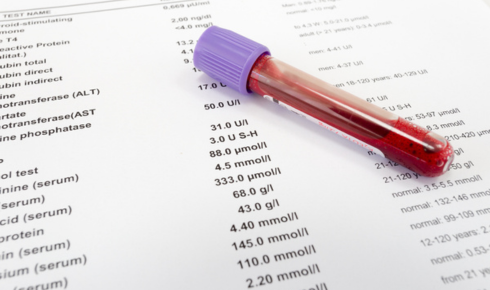
Blood reports are full of numbers and jargon that can be confusing. You don’t have to understand every detail, but knowing basic groups helps.
Common sections include blood counts (CBC), which look at red cells, white cells and platelets. They can suggest anaemia, infections, or some blood-related issues.
Blood sugar tests show glucose levels, either fasting, post-meal or through HbA1c (which reflects average levels over a few months).
Lipid profile covers cholesterol—total, LDL (“bad”), HDL (“good”), and triglycerides. Imbalances here affect heart risk.
Kidney and liver function tests show how these organs are coping. Thyroid function affects energy, weight and mood.
Most reports show a result number and a “reference range.” Being slightly outside the range doesn’t always mean disease; context matters—symptoms, age, medications, etc.
Instead of panicking or self-diagnosing from Google, mark unusual values and discuss them with your doctor. Numbers are part of the story, not the full story.