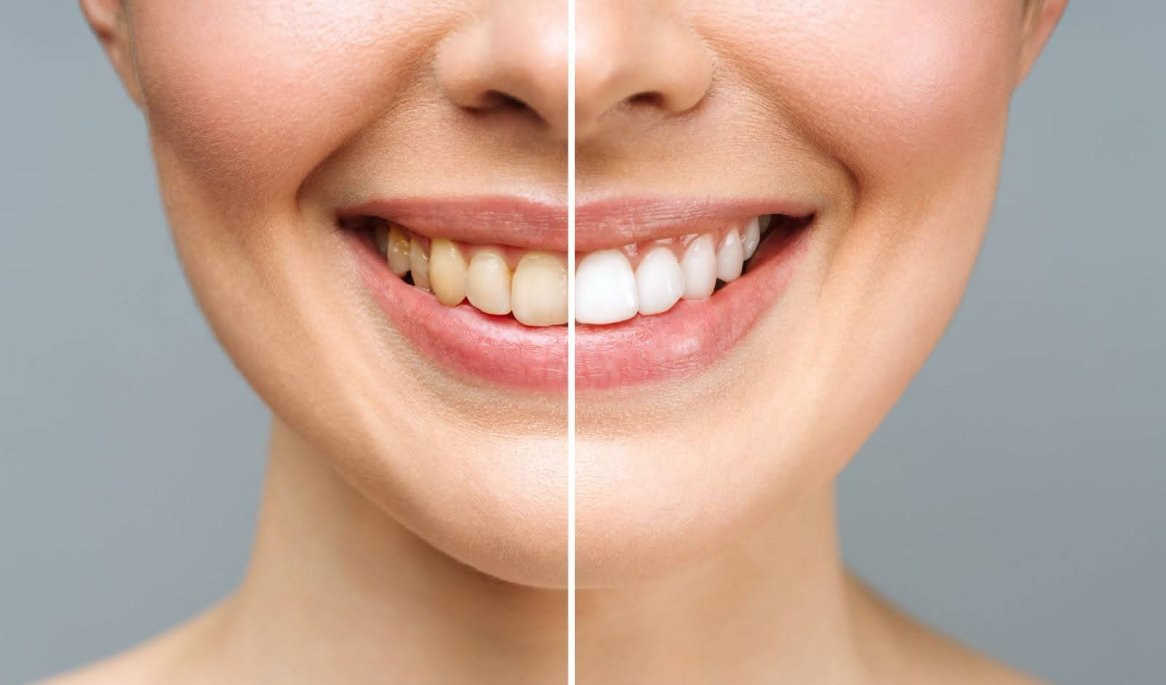
A bright, confident smile can make a great first impression. If your teeth have become dull or stained over time, teeth whitening may be a simple way to refresh your smile. But how does it actually work, and which option is right for you?
Teeth whitening is a cosmetic dental treatment designed to lighten the colour of your teeth and reduce the appearance of stains. Depending on the treatment you choose, whitening can be performed professionally by a dental team or at home using products recommended for your needs.
If you are considering teeth whitening Perth residents can access, understanding your options can help you make a more informed choice.
What Is Teeth Whitening and How Does It Work?
Teeth whitening works by using whitening agents to break down stains on the surface and within the tooth. Professional whitening products commonly use peroxide-based ingredients, such as hydrogen peroxide or carbamide peroxide.
These ingredients work through a chemical process called oxidation. In simple terms, they break down the compounds that cause teeth to look darker or yellow. As the stain molecules become less noticeable, your teeth appear lighter.
The results can vary from person to person. Factors such as your natural tooth colour, age, diet, oral health and the type of staining you have can all affect the final result.
It is also important to understand that whitening does not change the colour of dental restorations such as crowns, veneers or some fillings. A dental professional can assess your smile and explain what results are realistic for you.
What Causes Teeth to Become Stained?
Teeth naturally change colour over time. Some staining develops on the surface, while other discolouration can occur deeper inside the tooth.
Common causes include:
- Coffee, tea and red wine
- Smoking or tobacco use
- Dark-coloured foods and drinks
- Natural ageing
- Certain medications
- Poor oral hygiene
- Dental trauma or changes within the tooth
Regular brushing and professional dental cleaning can help control surface stains, but they may not remove all types of discolouration. This is where professional whitening treatments can offer an extra cosmetic boost.
Teeth Whitening Options to Consider
There is no single whitening method that suits everyone. Your ideal option depends on your teeth, goals, budget and the type of staining present.
Professional in-chair whitening is performed under the supervision of a dental professional. A stronger whitening formula can be applied carefully to the teeth, allowing the treatment to be controlled and tailored to your smile. This can be a convenient choice if you want noticeable results without managing the process yourself.
Take-home whitening uses custom or professionally supplied whitening trays and whitening gel. You follow the recommended instructions at home, usually over a set period. This option can be useful if you prefer a more gradual approach and the convenience of whitening at home.
Over-the-counter whitening products include strips, toothpastes and other products. While some may help with surface stains, their strength and results can differ from professional treatments. It is important to follow the instructions carefully and avoid using products more often than recommended.
Before choosing an option, a dental assessment can help identify existing dental problems and determine whether whitening is suitable.
What Results Can You Expect?
The results of teeth whitening are not permanent. Teeth can gradually become stained again, especially if you regularly consume foods and drinks that cause discolouration.
However, good oral hygiene and sensible lifestyle choices can help your results last longer. Brushing twice a day, cleaning between your teeth and attending regular dental appointments can all support a healthy-looking smile.
You may also want to limit frequent consumption of highly staining foods and drinks. If you drink coffee or tea regularly, for example, reducing your intake or rinsing your mouth with water afterwards may help minimize new staining.
Some people may experience temporary tooth sensitivity during or after whitening. Following professional instructions and using the recommended products can help manage this. If you already have sensitive teeth, cavities, gum problems or other dental concerns, speak with a dental professional before starting treatment.
Why Choose Professional Teeth Whitening in Perth?
If you are searching for teeth whitening Perth services, choosing an experienced dental provider can give you greater confidence in the treatment process.
A professional can assess your teeth, discuss your smile goals and recommend an appropriate whitening option. This helps ensure the treatment is suitable for your oral health and that your expectations are realistic.
At Boujee Smile, the focus is on helping patients achieve a brighter smile through professional, personalised care. Rather than taking a one-size-fits-all approach, your treatment can be discussed around your individual needs and desired results.
If you are ready to improve the appearance of your smile, professional teeth whitening could be the solution you’ve been looking for. Contact Boujee Smile today to discuss your whitening options and book a consultation.